
Art, Memory and the Future: What We Choose to Keep

Updated: Oct 5
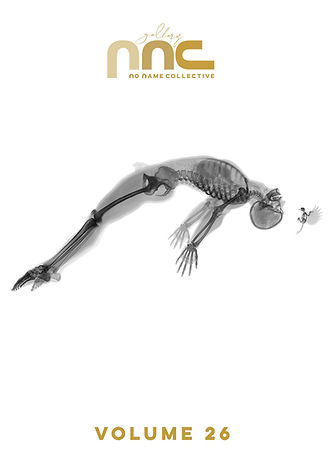
Editorial vol 26 - Art, memory and the future.
Click on the images to visit the artists' pages.
An archive is never simply a room full of things from the past. It is shaped by choices: what is collected, what is described, what is preserved and what is allowed to disappear.
During July and August 2026, Venice’s Biennale Danza explored these questions through Time Does Not Exist, a festival considering how memory, identity and different experiences of time meet in performance. Its twentieth-anniversary exhibition, Life Lines, drew on the Biennale’s historical archive to revisit the festival through photographs, documents, film and objects. Together, the projects offered a timely reminder that archives do not only record what happened. They influence what can be remembered and reimagined.
Art, memory and the future: what deserves to remain?
Artists often work with what survives: a photograph, a family story, a damaged object, a gesture repeated across generations. They may also work with absence—with what was never recorded, was deliberately removed or remains difficult to name.
The archive can be a source, a material or a subject of critique. But preservation is not neutral. Every collection reflects decisions about value, authorship and access. Asking what an artwork keeps, changes or leaves out can help us see how memory is made.
For artists: let the trace lead somewhere
Working with memory does not require reconstructing the past as if it were complete. A fragment can be enough: a voice, a repeated movement, a map, a photograph whose edges have been worn away.
Artists can make their choices visible by asking what drew them to a particular trace and how they have transformed it. What does the material reveal? What does it conceal? Whose memory is present, and whose remains outside the frame?
These questions do not restrict artistic freedom. They can give a project greater precision and allow viewers to encounter the work without mistaking one fragment for the whole story.
For collectors: preserve the context as well as the object
Collecting can help sustain artistic work and preserve works for future audiences. That responsibility may include more than caring for the physical object. For a photograph, video or installation, it can also mean keeping records of the work’s title, date, materials, edition, display requirements and history.
Collectors can ask artists or galleries how a work should be documented and what information should travel with it. Good records make future presentation more accurate and help prevent the work from becoming detached from the conditions that shaped it.
To collect is also to decide what will be available to encounter later. That decision gains meaning when it is made with care.
For curators and galleries: show how the record was made
Exhibitions can bring overlooked material into view, but displaying an archive does not automatically explain it. Curators and galleries can help audiences understand who created the records, how they were selected and what gaps or points of view remain.
Clear captions, reliable dates and well-researched context give viewers a way into the material. So does acknowledging uncertainty. When information is incomplete, saying so is more responsible than filling the silence with speculation.
An exhibition can preserve documents while also inviting new readings. The balance lies in making the evidence accessible and allowing viewers to recognise that every archive has a history of its own.
Preservation is a beginning
What we choose to keep shapes the stories available to the future. Art can protect fragile traces, question inherited accounts and imagine ways of remembering that have not yet taken form.
At NNC Gallery, we follow artists’ practices over time because a work’s meaning can deepen as it enters new conversations. Looking closely means attending to what an artist carries forward—and to what their work helps us see differently.
Discover the artists featured by NNC Gallery and explore the current Challenge.


Comments